
Use the right denominator
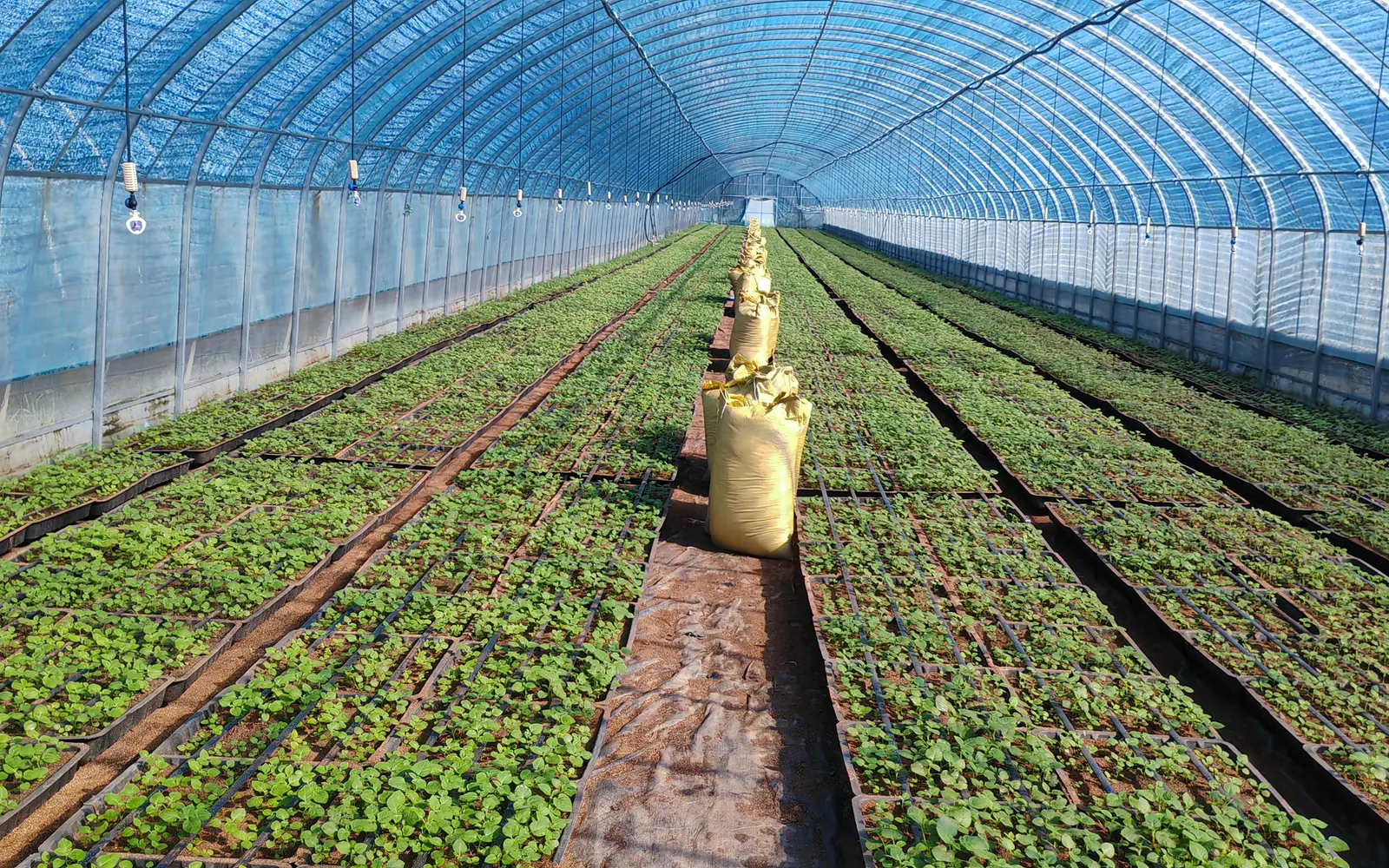
The purchase price of vermiculite is only one part of plantlet production cost. Include substrate, trays, nutrients, water, labour, energy, sanitation, testing, equipment use and losses. Divide the relevant production cost by the number of plants that meet the agreed delivery criteria, rather than by the number initially inserted into trays.
This makes losses visible. A lower substrate price can be outweighed by poor rooting, uneven growth or additional sorting. Define the acceptance criteria first so that cost comparisons do not reward a cheaper but less usable plant.
Track substrate and water management
Record substrate grade, quantity, tray filling and handling losses. Particle breakdown and compaction can change the root environment, so reuse should not be justified by material savings alone. Any reuse or recycling route needs a separate assessment of health risk and physical suitability for its intended use.
Measure the water and nutrient inputs for each production zone and relate them to the batch. More irrigation is not automatically more effective. Observe drainage, root condition and salt accumulation, and adjust through a documented growing programme. A recirculation system also requires appropriate hygiene and monitoring; it is not a free saving.
Separate labour, energy and avoidable loss
Time tray filling, transplanting, inspection, grading and cleaning separately. A faster operation can move the bottleneck to a later stage or increase plant damage. Assess automation by accepted output and repeatable quality, including maintenance and cleaning time, not only by nominal machine speed.
For energy, record heating, ventilation and lighting against the occupied area and production period. Comparisons between seasons should account for weather and utilization. Document mortality, rejection and delayed batches by reason so that the team can target the largest avoidable cost instead of cutting every input equally.
Compare a controlled improvement
When testing a change, keep variety, starting material and acceptance criteria comparable. Record cost, accepted plant count, time to release and any additional work after delivery. Include depreciation or equipment charges consistently across alternatives.
A useful cost report states what was included, what was excluded and the assumptions about utilization. It supports a realistic quotation and a better production decision without promising a fixed saving or survival rate that has not been demonstrated for the customer's conditions.
Related reading
- Seed Potato Quality Control: Connecting R&D, Propagation and Field Records
- Seed Potato Physiological Age: Storage History, Sprouting and Planting Plans