
Quality begins with identity
A seed potato programme needs a continuous link between the starting material, propagation batches and the lot delivered to a grower. A vigorous-looking plant cannot establish varietal identity or demonstrate the absence of a particular pathogen. Those questions require suitable records and tests. Junsheng produces seed potatoes and virus-free plantlets; the practical purpose of quality control is to make the material and its handling history understandable to the next grower.
This means treating research, propagation and field production as connected stages. A change in variety, source material or multiplication route should remain visible in the batch record rather than disappearing when plants move to another room or field.
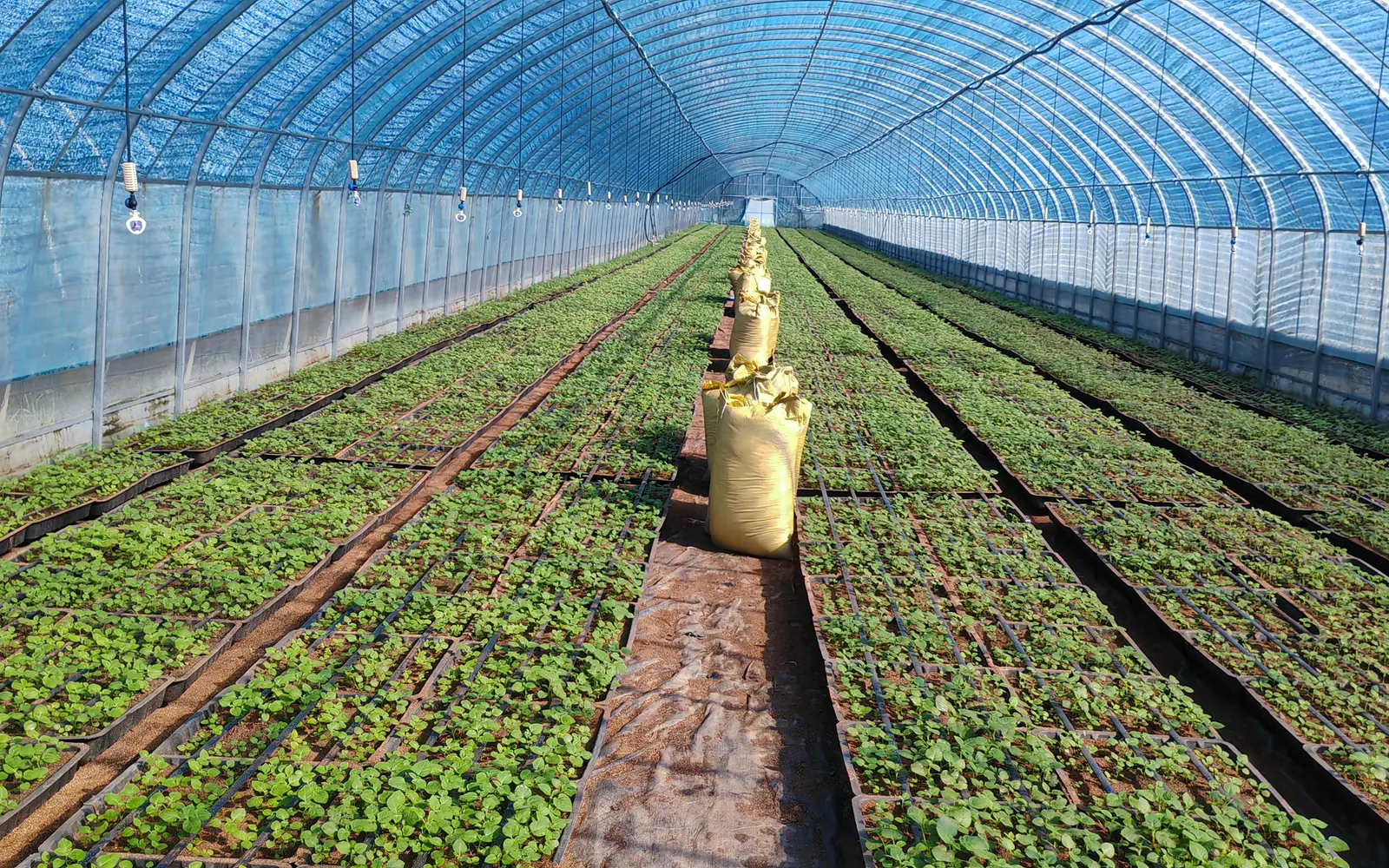
From source material to acclimatized plants
For source material, record the variety, supplier or mother-stock identity, sampling date, target pathogens, test method and result. Virus elimination and verification are different activities: completing a treatment does not by itself prove the resulting material meets the intended health requirements.
During multiplication, identify containers and transfer dates, separate suspect material and record the reason for rejection. At acclimatization, assess roots, plant condition and adaptation to the intended growing environment. A release decision should refer to the batch requirements, not simply to a calendar deadline. These records also make it possible to investigate an abnormal group without treating all material as identical.
Field controls and environmental management
Before planting, connect the lot to the field, previous crop and intended generation. Soil condition, drainage, water supply, local disease pressure and equipment hygiene belong in the field plan. During growth, record inspections and interventions so that later assessments can distinguish a seed-lot issue from differences in field management.
Resource efficiency should be measured through water, nutrient, energy and waste records. Ecological management is valuable, but it does not justify claims of zero disease, zero pollution or a fixed yield advantage. Compare outcomes under documented conditions and retain the observations that support any improvement claim.
Harvest, storage and delivery are separate checkpoints
Harvest records identify the field and lot; storage records describe handling, segregation, condition and subsequent observations. Neither activity alone demonstrates that a lot is ready for planting. Check physical condition, size specification, health documentation and physiological condition against the intended use before dispatch.
A useful handover pack brings together lot identity, generation terminology and its certification basis where applicable, quantity, inspection results, handling guidance and a contact for discrepancies. The UK government’s Seed Potato Classification Scheme provides an example of official inspection and grading in England and Wales; the actual destination requirements and applicable national scheme must still be checked.
Related reading
- What Is Virus-Free Seed Potato? Health Testing, Reinfection and Yield Evaluation
- G0 and G1 Seed Potatoes: How to Verify Generation Terminology
- Seed Potato Planting Depth, Emergence Checks and Equipment Adjustment